
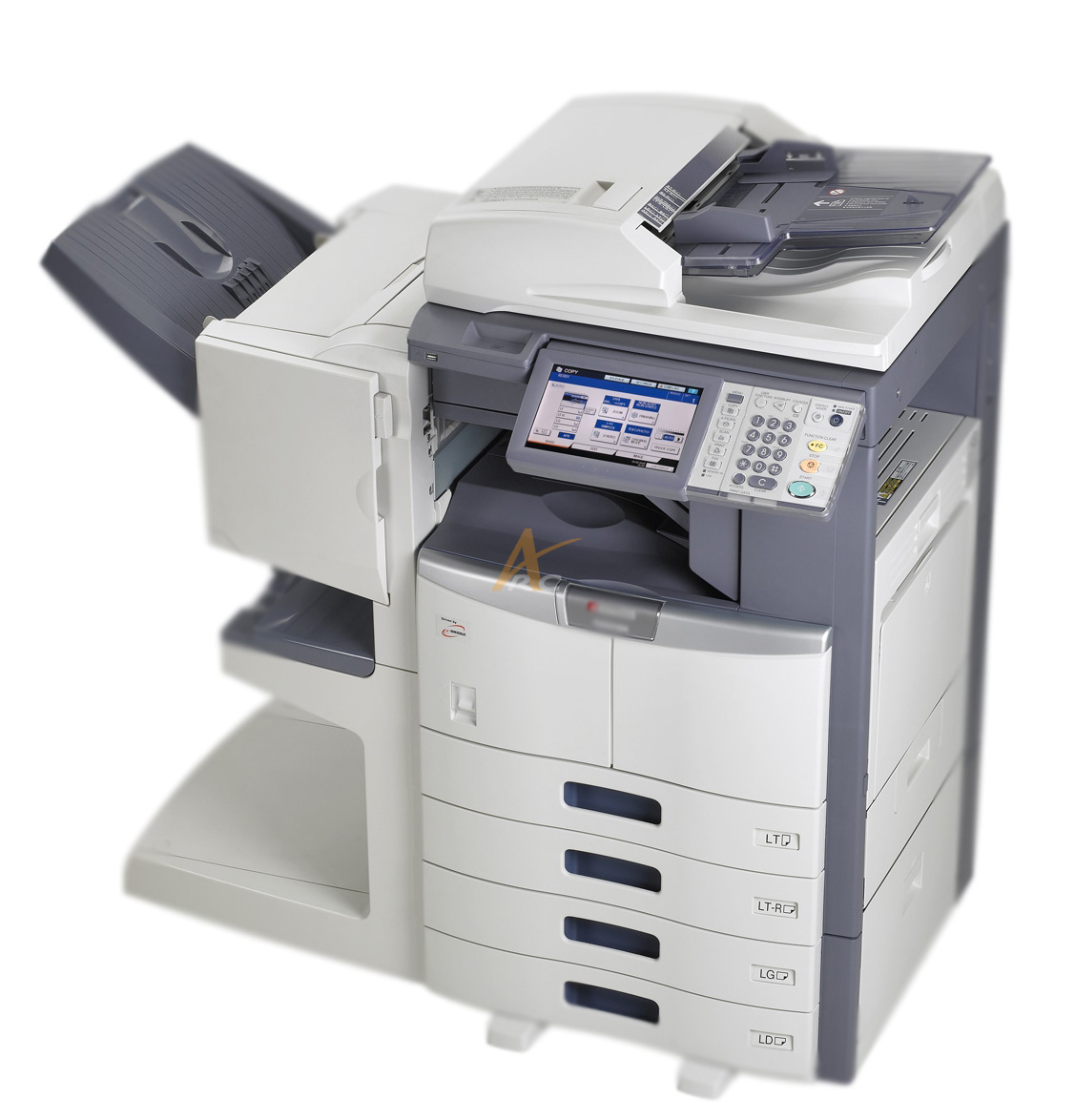
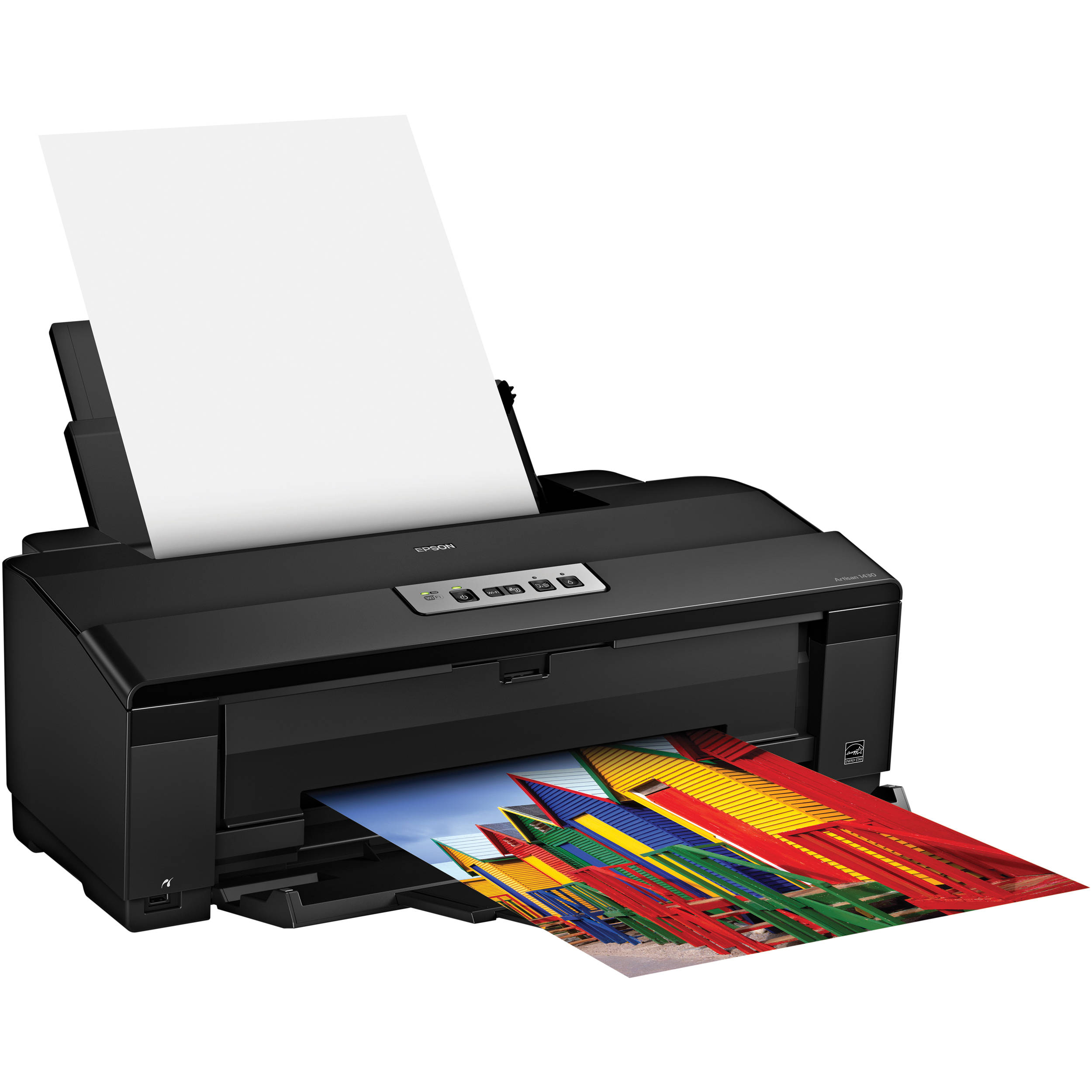




Full 1
Canon E410
Full 1
previous arrow
next arrow

Welcome to Lanka Fix.

Need a Fix? We've Got You Covered!
At Lanka Fix , we specialize in providing top-tier technical assistance for all your devices—be it laptops, desktops, mobile phones, consumer electronics, CCTV systems, or copier repairs. Whatever your tech needs, our experts are just a visit away.

Why Choose Us?

  • Easy Sign-Up: Get started with us in just 5 minutes through our user-friendly registration process.
  • Quick Matching:We connect you with the best service partners in your area within 24 hours.
  • Trusted Professionals: We guarantee professional service and take full responsibility for your satisfaction.

Experience Hassle-Free Service Today!

Let us handle your technical troubles so you can enjoy seamless tech experiences. Reach out now and let us know how we can help !

[lankafix_widget]

Our Customers

We understand that each of our customers has unique needs. Our mission to "Empower Your Digital World with Smart Solutions" is not just a slogan; it's our commitment to providing tailored IT solutions across various customer types. Here's how we cater to each segment:

Household / Domestic

We offer an extensive range of products and services.

SMEs

We are dedicated to equipping small and medium-sized enterprises with the most advanced IT solutions.

Corporate / Government Sector

We offer specialized solutions designed to meet expansive and intricate IT needs.

Business Partners (Dealers Island Wide)

We extends our commitment to excellence through our island-wide dealer network.

Checkout the Products We Offer

Let's find the best printer model for you

Im Looking For

Need Help?

Chat, call or email us! 

Our Specialist Teams are always here to support you!

Expand Your Business with Smart Office

Welcome to Smart Office! Are you a service or technical service provider looking to expand your business? At Smart Office, we generate high-quality leads that can drive your growth and help you achieve professional success. We're looking for dedicated partners with trained staff who are committed to providing excellent service and exploring future opportunities together.
Join us and tap into a world of massive opportunities. Visit our partner forum for more information on how to share your expertise in your specialized areas. Let's work together to deliver outstanding service to our customers, satisfy their needs, and achieve success as a team

Compatible Cartridges for your Printer Brands

Blog

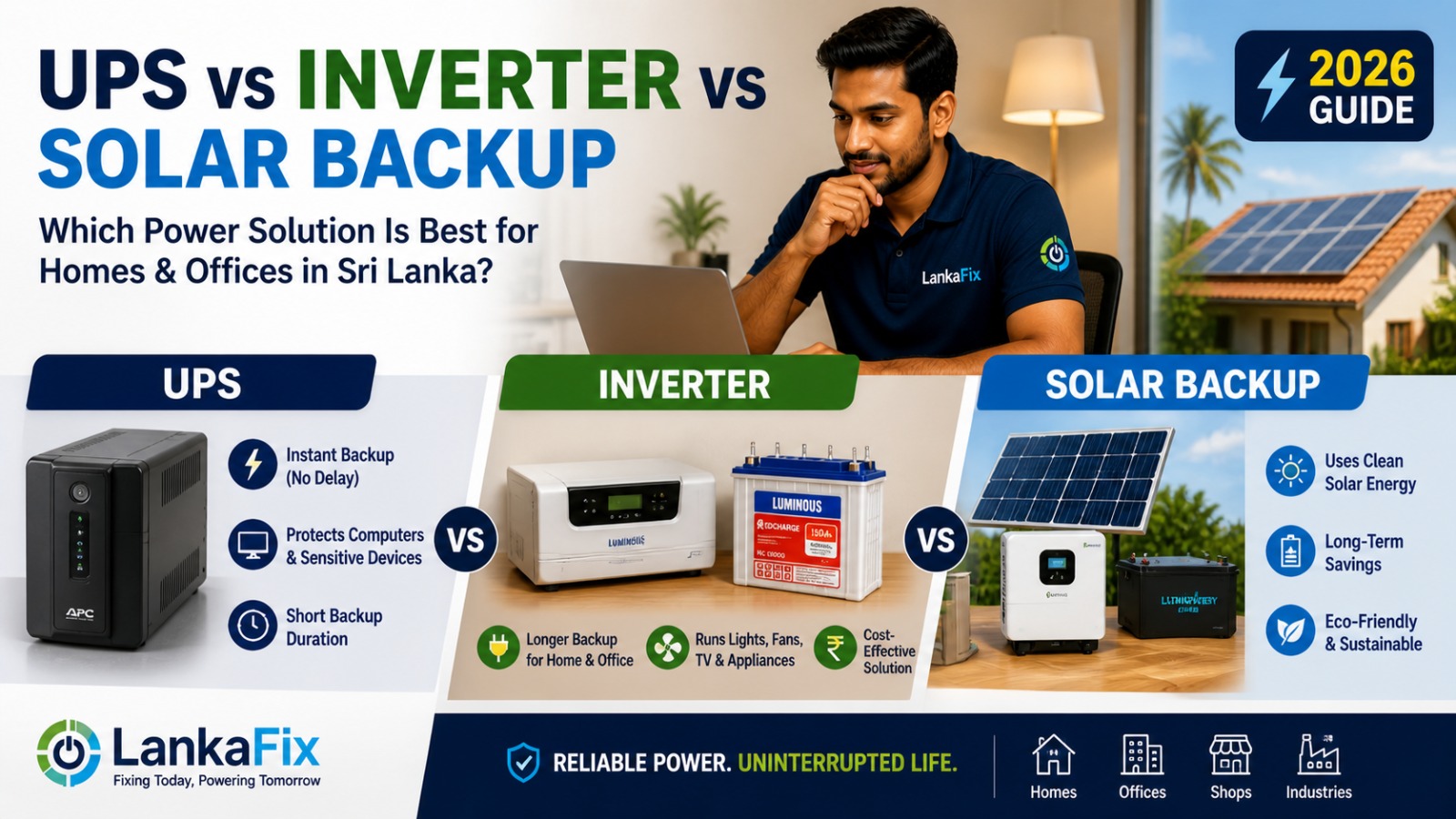
UPS vs Inverter vs Solar Backup: Which Power Solution Is Best for Homesand Offices in Sri Lanka? (2026 Complete Guide)

Power interruptions, voltage fluctuations, and rising electricity costs are common
challenges faced by households and businesses across Sri Lanka. Whether you work from
home, run a retail shop, manage an office, or operate critical equipment, having a reliable
backup power solution is essential for productivity and safety.
This comprehensive guide explains the differences between UPS systems, inverters, and
solar backup solutions. It provides practical insights into installation costs, performance,
maintenance, and suitability for Sri Lankan conditions. By understanding these options,
consumers and businesses can make informed decisions to ensure uninterrupted power
supply and long-term savings.
Why Backup Power Solutions Are Important in Sri Lanka
Power reliability is critical for daily life and business operations. Unexpected power failures
can cause data loss, equipment damage, business disruption, and reduced productivity.
Key benefits of backup power systems include:

  • Continuous operation during power outages
  • Protection of electronic devices from voltage fluctuations
  • Improved productivity and business continuity
  • Enhanced safety and comfort at home
  • Reduced downtime for IT and communication systems
    What Is a UPS (Uninterruptible Power Supply)?
    A UPS is a device that provides instant backup power when electricity fails. It is commonly
    used for computers, servers, routers, and security systems. UPS units provide short-term
    power to allow safe shutdown of equipment or continued operation for a limited period.
    What Is an Inverter?
    An inverter converts battery power into electricity to supply power during outages.
    Inverters are widely used in homes and offices to operate lights, fans, televisions, and small
    appliances. They provide longer backup duration than UPS systems but require a short
    switching time when power fails.
    What Is Solar Backup Power?
    Solar backup systems use solar panels to generate electricity from sunlight and store energy
    in batteries. These systems provide renewable energy and can reduce electricity bills
    significantly. Solar backup is ideal for homes and businesses seeking long-term energy
    independence and sustainability.
    Key Differences Between UPS, Inverter, and Solar Systems
    UPS:
  • Instant power backup (no delay)
  • Short backup duration
  • Ideal for computers and sensitive electronics
    Inverter:
  • Moderate switching delay
  • Longer backup duration
  • Suitable for home appliances and office equipment
    Solar:
  • Uses renewable energy
  • Long-term cost savings
  • Environmentally friendly solution
    Estimated Cost of Backup Power Solutions in Sri Lanka (2026)
    Typical installation costs may include:
  • Basic UPS system: LKR 15,000 – 45,000
  • Home inverter system: LKR 65,000 – 180,000
  • Solar backup system (small home): LKR 250,000 – 650,000
  • Solar system (commercial setup): LKR 750,000 – 2,500,000
    Note: Prices vary depending on capacity, battery type, brand, and installation requirements.
    Which Power Solution Is Best for Your Needs?
    Choose a UPS if:
  • You need instant backup for computers or servers
  • You require protection from sudden shutdowns
  • Backup duration requirement is short
    Choose an Inverter if:
  • You want backup power for lights and household appliances
  • You need longer backup duration
  • You want a cost-effective solution
    Choose Solar if:
  • You want to reduce electricity bills
  • You require long-term backup power
  • You prefer environmentally friendly energy
    Factors to Consider Before Installing a Backup Power System
  1. Total power consumption requirements
  2. Duration of backup needed
  3. Available installation space
  4. Budget and long-term cost savings
  5. Type of equipment to be powered
  6. Maintenance and battery replacement costs
    Maintenance Tips for Backup Power Systems
    Regular maintenance ensures reliability and safety:
  7. Check battery condition periodically
  8. Keep equipment in a cool and dry environment
  9. Schedule professional inspection annually
  10. Replace batteries as recommended by manufacturer
  11. Ensure proper ventilation around equipment
    Professional Recommendation for Sri Lankan Homes and Businesses
    Selecting the right backup power solution depends on your usage pattern, budget, and
    reliability requirements. Consulting a qualified technician helps ensure proper system
    sizing, safe installation, and long-term performance. Investing in a reliable backup system
    protects valuable equipment and supports uninterrupted daily operations.
    Conclusion
    UPS, inverter, and solar systems each serve different purposes. Understanding their
    advantages, costs, and applications helps consumers choose the most suitable solution.
    With proper planning and professional installation, backup power systems can provide
    peace of mind, productivity, and energy savings for years to come.
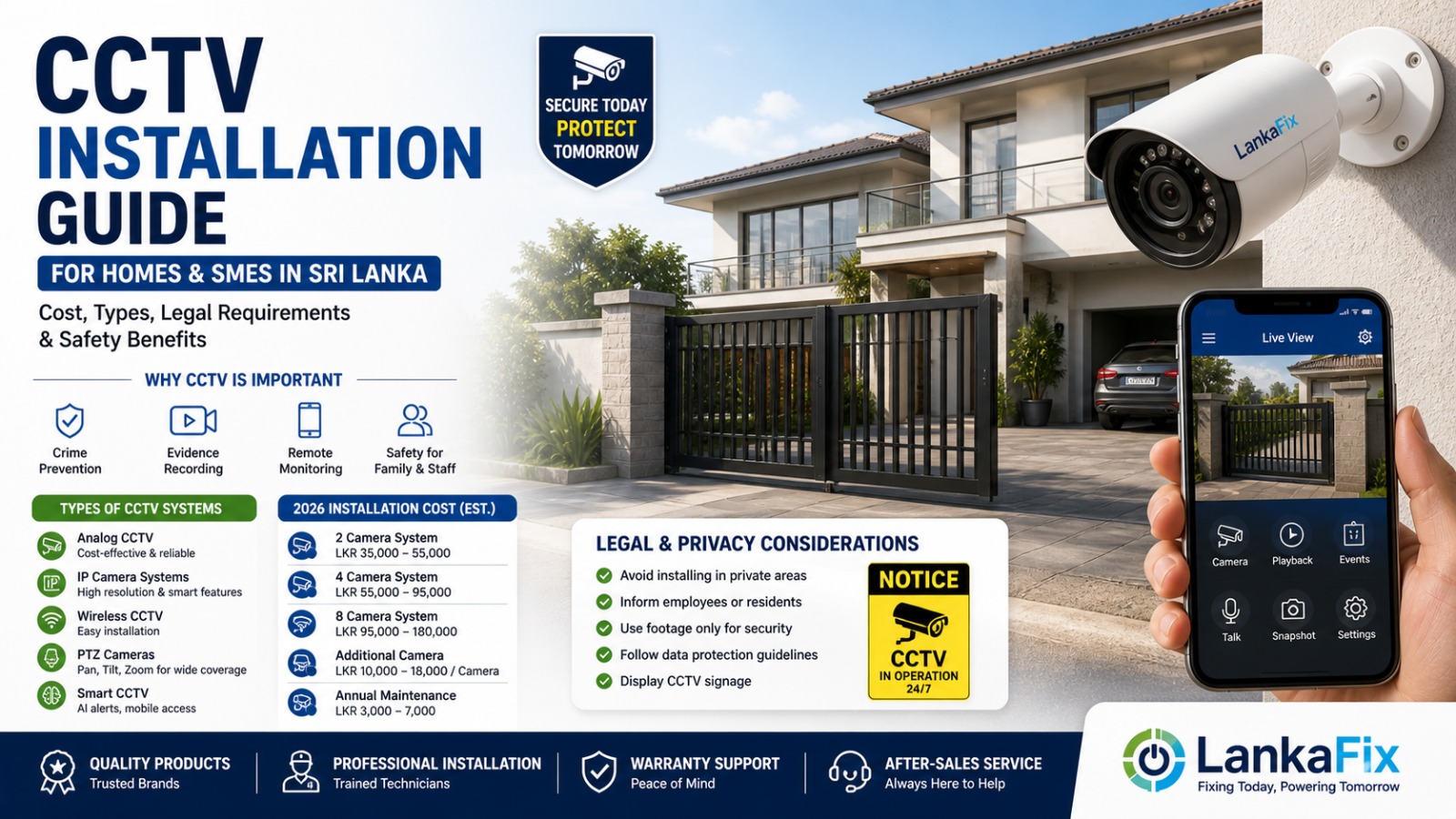
Homes & SMEs in Sri Lanka: Cost, Types, LegalRequirements & Safety Benefits (2026 Edition)

Security has become a top priority for homeowners and business owners across Sri Lanka.
With increasing concerns about theft, property damage, and safety, Closed-Circuit
Television (CCTV) systems have become one of the most reliable and affordable security
solutions.
This comprehensive guide explains everything you need to know about CCTV installation in
Sri Lanka, including system types, installation costs, legal considerations, and practical
recommendations. It is designed to help families, small businesses, offices, retail shops,
warehouses, and institutions make informed decisions when investing in security systems.
Why CCTV Installation Is Important in Sri Lanka
CCTV systems provide continuous monitoring and act as a strong deterrent against crime.
They also help improve safety, accountability, and operational efficiency.
Key benefits include:

  • Crime prevention and theft reduction
  • Evidence collection in case of incidents
  • Remote monitoring from mobile devices
  • Employee and customer safety
  • Business operational monitoring
  • Insurance and compliance support
    Common Places Where CCTV Is Installed
    CCTV systems are widely used in:
  • Houses and apartments
  • Retail shops and supermarkets
  • Offices and corporate buildings
  • Warehouses and factories
  • Schools and educational institutions
  • Hotels and restaurants
  • Parking areas and entrances
    Types of CCTV Systems Available in Sri Lanka
  1. Analog CCTV Systems – Basic and cost-effective systems suitable for small premises.
  2. IP Camera Systems – Advanced systems with high-resolution video and remote access.
  3. Wireless CCTV Systems – Easy installation with minimal wiring requirements.
  4. PTZ Cameras (Pan-Tilt-Zoom) – Cameras that can rotate and zoom for large coverage
    areas.
  5. Smart CCTV Systems – Systems integrated with mobile apps, motion detection, and alerts.
    Estimated CCTV Installation Cost in Sri Lanka (2026)
    Below are typical price ranges for CCTV installation:
  • 2-camera system installation: LKR 35,000 – 55,000
  • 4-camera system installation: LKR 55,000 – 95,000
  • 8-camera system installation: LKR 95,000 – 180,000
  • Additional camera installation: LKR 10,000 – 18,000 per camera
  • Maintenance and servicing: LKR 3,000 – 7,000 annually
    Note: Prices may vary depending on camera quality, brand, storage capacity, and
    installation complexity.
    Factors That Affect CCTV Installation Cost
    Several factors determine the final cost:
  1. Number of cameras required
  2. Type and resolution of cameras
  3. Length of wiring and installation difficulty
  4. Storage capacity and recording duration
  5. Indoor vs outdoor installation
  6. Remote viewing and mobile access features
  7. Warranty and after-sales support
    Legal and Privacy Considerations in Sri Lanka
    Before installing CCTV, it is important to follow legal and ethical guidelines:
  • Avoid placing cameras in private areas such as bathrooms or changing rooms
  • Inform employees or residents about CCTV monitoring
  • Use recorded footage only for security purposes
  • Follow workplace and data protection policies
  • Ensure proper signage indicating CCTV surveillance
    How to Choose the Right CCTV System
    Consider the following factors when selecting a system:
  1. Coverage area size
  2. Lighting conditions (day/night)
  3. Internet connectivity availability
  4. Required video quality (HD, Full HD, 4K)
  5. Budget and maintenance cost
  6. Future expansion needs
    Maintenance Tips for CCTV Systems
    Regular maintenance ensures long-term reliability:
  7. Clean camera lenses periodically
  8. Check wiring connections
  9. Update system software and firmware
  10. Test recording and playback functions
  11. Replace faulty components promptly
    When Should You Upgrade Your CCTV System?
    Consider upgrading if:
  • Video quality is poor or outdated
  • Storage capacity is insufficient
  • Remote monitoring features are missing
  • The system frequently fails
  • Security risks have increased
    Professional Recommendation for Sri Lankan Homes & Businesses
    Installing a reliable CCTV system is one of the most effective investments in safety and
    security. Professional installation ensures proper camera placement, secure wiring, and
    long-term performance. Choosing a trusted service provider with warranty support and
    technical expertise is essential for protecting your property and peace of mind.
    Conclusion
    CCTV installation is no longer a luxury but a necessity for modern homes and businesses in
    Sri Lanka. Understanding system types, installation costs, and maintenance practices will
    help you make a smart and cost-effective decision. With proper planning and professional
    support, a CCTV system can provide

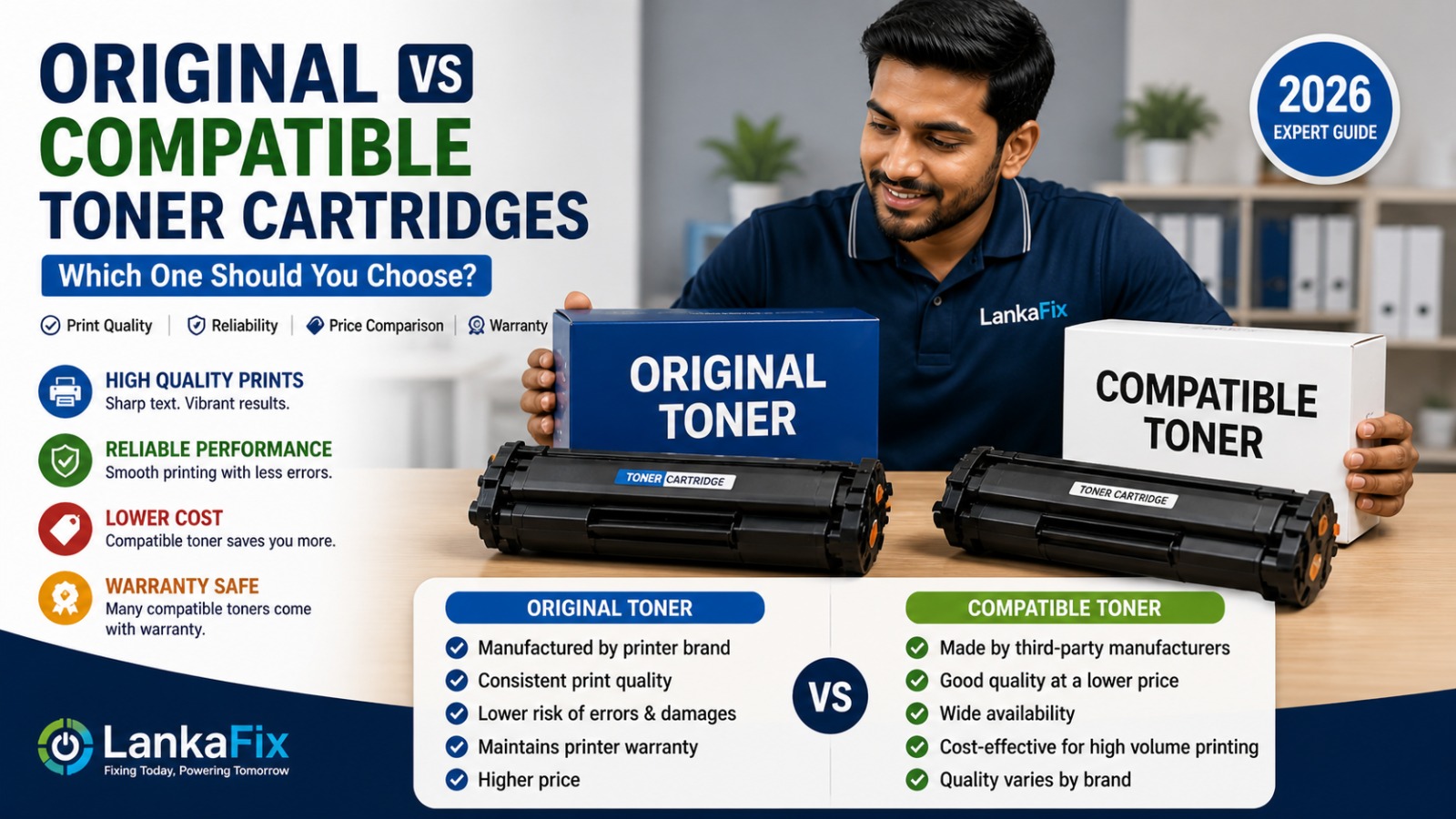
Original vs Compatible Toner: Which Is Better for Your Office Printer in Sri Lanka? (2026 Expert Guide)

Introduction

Choosing the right toner for your printer is one of the most important decisions for businesses and home users in Sri Lanka. Many customers wonder whether to buy Original Equipment Manufacturer (OEM) toner or compatible toner cartridges. This comprehensive guide explains the differences, costs, benefits, risks, and practical recommendations to help you make an informed decision.

What Is Original (OEM) Toner?

Original toner, also known as OEM toner, is manufactured by the same brand that produces the printer, such as Canon, HP, Epson, Brother, Xerox, Toshiba, or Pantum. These toners are designed specifically for the printer model and are tested to meet manufacturer standards for quality, performance, and reliability.

What Is Compatible Toner?

Compatible toner is manufactured by third-party companies and designed to work with specific printer models. These cartridges are usually more affordable than OEM products and are widely used in offices to reduce printing costs. However, quality can vary depending on the manufacturer and production standards.

Key Differences Between Original and Compatible Toner

1. Print Quality – OEM toner generally delivers consistent and professional print results.
2. Reliability – OEM cartridges are less likely to cause printer errors or leakage.
3. Cost – Compatible toner is usually cheaper than OEM toner.
4. Warranty – Using OEM toner helps maintain printer warranty conditions.
5. Longevity – OEM toner typically lasts longer and performs consistently.

Cost Comparison in Sri Lanka (Estimated 2026)

The price difference between OEM and compatible toner varies depending on brand and model. Below is a general comparison example:
– Original toner: LKR 9,000 – LKR 18,000
– Compatible toner: LKR 2,500 – LKR 6,500
Businesses must consider total cost of ownership, including maintenance and reliability.

Advantages of Original Toner

– High print quality and sharp text
– Reliable performance with minimal downtime
– Manufacturer warranty protection
– Lower risk of printer damage
– Consistent page yield and performance

Advantages of Compatible Toner

– Lower upfront cost
– Suitable for high-volume printing environments
– Widely available in the market
– Cost-effective for budget-conscious users

Risks of Low-Quality Compatible Toner

Not all compatible toner is the same. Poor-quality cartridges may cause:
– Print defects such as streaks or faded text
– Toner leakage inside the printer
– Damage to drum or fuser units
– Frequent service calls
– Reduced printer lifespan

When Should You Choose Original Toner?

Choose OEM toner if:
– You require professional-quality prints
– The printer is under warranty
– The printer is used for official documents or contracts
– Reliability and uptime are critical for your business

When Should You Choose Compatible Toner?

Choose compatible toner if:
– You print large volumes daily
– Cost reduction is a priority
– The printer is out of warranty
– You purchase from a trusted supplier with warranty support

How to Identify a Reliable Toner Supplier in Sri Lanka

1. Provides VAT invoices
2. Offers warranty or replacement guarantee
3. Supplies genuine or certified products
4. Has positive customer reviews
5. Provides technical support and after-sales service

Tips to Reduce Printing Costs Without Sacrificing Quality

1. Use the correct print settings
2. Maintain your printer regularly
3. Choose the right toner type for your usage
4. Avoid extremely cheap cartridges
5. Monitor monthly print volume

Conclusion

Both original and compatible toner have their advantages. The best choice depends on your printing volume, budget, and reliability requirements. Businesses should focus on long-term value rather than just the initial purchase price. Selecting the right toner supplier and maintaining your printer properly can significantly reduce costs and improve productivity.